Blogger Widgets

...

TRANSLATE AS YOU LIKE

Showing posts with label Risk. Show all posts

March 04, 2017

Solving Antibiotic Resistance


There has been much recent talk about how to target the rising tide of antibiotic resistance across the world, one of the biggest threats to global health today. While there is no doubting the size of the problem facing scientists, healthcare professionals and the pharmaceutical industry, there are innovative ways we can target antibiotic resistance in the short term.
With only a few antibiotics in development and a long drug development process (often 10-15 years), there is concern that what is being done to combat antibiotic resistance may be 'too little, too late'.
While any antimicrobial resistance is concerning, the increasing incidence of antibiotic-resistant Gram-negative bacteria has become a particular problem as strains resistant to multiple antibiotics are becoming common and no new drugs to treat these infections (eg, carbapenem-resistant Enterobacteriaceae) will be available in the near future. These Gram-negative bacteria are considered the most critical priority in the list of the 12 families of bacteria that pose the greatest threat to human health that was just released by the World Health Organization.
An innovative strategy that is gaining momentum is the synergistic use of antibiotics with FDA-approved non-antibiotics. Using this novel approach, an FDA-approved non-antibiotic drug is combined with a specific antibiotic that enables it to breach the outer membrane barrier and so restore the activity of an antibiotic. Several researchers had described how combining antibiotics with other non-antibiotic drugs or compounds can boost their effectiveness against Gram-negative 'superbugs'.
For example, loperamide, an anti-diarrheal medication sold in most pharmacies, enhances the effectiveness of eight different antibiotics (all in the tetracycline class). In particular, when added to the tetracycline antibiotic minocycline, along with the Parkinson's disease drug benserazide, it significantly increased antibiotic activity against multi-drug resistant Pseudomonas aeruginosa, a causative agent in hospital-acquired infections such as ventilator-associated pneumonia.
Polymyxins are a type of antibiotics that target Gram-negative bacterial infections and have traditionally been used as a last resort to treat serious infections such as those caused by Gram-negative 'superbugs' Klebsiella pneumoniaeP. aeruginosa and Acinetobacter baumannii. Resistance to polymyxins is not common, but in late 2015 the first transferable resistance gene to colistin (polymyxin E) was discovered (plasmid-borne mcr-1 gene). This caused significant concerns, as once resistance to polymyxins is established, often no other treatments are available.
Some interesting findings have ensued, with a number of different combinations having a beneficial effect. Some notable examples that increased antibiotic activity when combined with polymyxin B include: ivacaftor and lumacaftor, two new drugs used to treat cystic fibrosis; and closantel, a drug used to treat parasitic worm infections.
Another interesting combination that has shown promise against methicillin-resistant Staphylococcus aureus (MRSA), according to Schneider and co-authors, is combining the antibiotics ampicillin or oxacillin with berberine. Berberine is extracted from the roots, stems and bark of plants such as barberry.
n 2005, the Drugs for Neglected Diseases initiative identified fexinadole as a potential treatment for sleeping sickness and it is now undergoing a Phase III trial. This drug had been developed as an antimicrobial in the 1970s, but only reached pre-clinical development.
In addition to the above, researchers are looking for new, untested sources of antimicrobial activity to try and develop new drugs. A recent success in this area was, teixobactin, a new antibiotic developed by NovoBiotic Pharmaceuticals, discovered by using an 'iChip' to culture and isolate soil bacteria in situ.
"Non-antibiotic strategies are just as important, such as developing vaccines or probiotic therapies to prevent infections, as they can help to reduce the overuse of antibiotics. They will never completely replace antibiotics, but can help to preserve our existing antibiotics so they still work when needed."
Inspired by recent article: Antibiotics and non-antibiotics combination
by 
Dr. Akshaya Srikanth Bhagavathula
Pharm.D India

September 19, 2015

Egg Consumption doubles Cardiometabolic Risk

The gut flora or microbiota is undoubtedly crucial to the digestive process. However, there is growing interest in the role of the gut microbiota as an environmental factor influencing propensity for cardiometabolic disease. Studies have implicated the gut microbiota in susceptibility to obesity and insulin resistance; germ-free mice fed a high-fat, high-carbohydrate Western-style diet were protected against diet-induced obesity, glucose intolerance and insulin resistance.


More recently, research has linked dietary lipid intake, the gut microbiota and increased risk for atherosclerosis.(2,3) Cholesterol-rich foods, such as egg yolks, contain phosphatidylcholine which is hydrolysed by phospholipase enzymes to release choline. The gut microbiota then convert choline to trimethylamine (TMA), whichundergoes oxidation in the liver to trimethylamine N-oxide (TMAO), released into the plasma.
In mice susceptible to atherosclerosis fed a diet supplemented with phosphatidyl choline, there was an increase in plasma levels of TMAO concomitant with increased atherosclerotic plaque development. Mechanistically, increased dietary choline was associated with suppression of multiple macrophage scavenger receptors which protect against atherosclerosis.3 These data therefore implicate excess dietary choline as an emerging modifiable risk factor for cardiovascular disease, mediated by the gut microbiota.
These findings may be relevant in the light with recent research which showed an association between egg yolk consumption and carotid plaque burden. Individuals consuming 3 or more eggs per week had a significantly higher plaque burden that those with reduced consumption. This suggests that egg yolk consumption should be reduced or avoided in high-risk individuals with established cardiovascular disease. Consumption of a large egg (which equates to about 200 mg of dietary cholesterol) not only increases the susceptibility of low-density lipoproteins (LDL) to oxidation, but also increases postprandial lipaemia, and potentiates the adverse effects of dietary saturated fat. Additionally, egg consumption effectively halves postprandial clearance of atherogenic chylomicron remnants, which implies a need to re-consider egg yolk consumption in individuals with cardiometabolic disease, including those with diabetes. Indeed, in observational studies, regular egg consumption was associated with increased risk of new-onset diabetes, cardiovascular disease and all-cause mortality. These epidemiological data, together with the FOCUS paper, provide a strong rationale for a prospective randomized trial comparing the effects of consumption of eggs or egg white-based substitutes on hard clinical outcomes.  Currently, international guidelines are inconsistent in considering the dietary cholesterol. Currently, international guidelines are inconsistent in their consideration of dietary cholesterol. There are also misconceptions that because of the efficacy of statins in lowering plasma total cholesterol and LDL cholesterol, consideration of dietary cholesterol is less relevant in statin-treated patients. Yet even with intensive statin therapy, there remains about 70% residual cardiovascular risk.
by
Dr.Akshaya Srikanth, Pharm.D

May 26, 2015

Cardiac Biomarkers

A blood screening technology has uncovered many biomarkers that improve the prediction of the risk for heart attack or stroke with in the next 15 years. The blood profiling technique may eventually help doctors to identify those people who would benefit the most from early treatment and high-throughput profiling of circulating metabolites may improve cardiovascular risk prediction over established rik prediction over established risk factors. 
Biomarkers can potentially be used to detect and monitor a wide range of cardiac conditions in the critical care setting. Currently the only biomarker acceptable for changing management in acute coronary syndrome is the troponin test. In the future, a tailored multi-marker approach may have use in guiding diagnosis and therapy – this is a long way off!

POTENTIAL USES OF CARDIAC BIOMARKERS
Myocardial Ischemia
·         Troponin
·         H-FABP
·         ischaemic modified albumin
Thrombosis
·         CRP
·         ESR
·         different binding proteins
·         Myocardial injury
·         Troponin (level peaks at 12h, proportional to infarct size, but altered by washout phenomenom after reperfusion therapy)
·         CK
·         CK-MB
·         myoglobin
·         AST
·         LDH
Novel: copeptin (C-terminal provasopressin), BNP/ NTproBNP, GP-BB, myleoperoxidase, pregnancy associated plasma protein A
Inflammation, endothelial activation and neutrophilic activation
·         CRP
·         ESR
·         PaPPA
·         endothelin/ CTproET-1
·         adrenomedullin/ MRproADM
·         myeloperoxidase
·         matrix metalloproteinases (MMP9, MMP2, TIMP1)
Heart failure
·         BNP/ NTproBNP
·         ANP/ N-ANP/ MRproANP
·         Troponin
·         IL18
·         CA125
·         Urocortin
Sepsis-induced myocardial dysfunction
·         Troponin
·         BNP/ NTproBNP
·         Right ventricular strain in pulmonary embolism
·         Troponin
·         BNP/ NTproBNP

ADVANTAGES AND DISADVANTAGES 


In addition these biomarkers mentioned above four new biomarkers were identified in 2015. The scientists identified over 200 biomarkers for body metabolism from a single blood sample using Nuclear Magnetic Resonance (NMR) spectroscopy. The perspectives of new biomarkers for future cardiovascular disease were Phenylalanine, a common amino acid, and the amount of monounsaturated fat in the blood; higher concentrations were linked with higher disease risk. These two biomarkers were as strong predictors of future heart disease as the measures bad cholesterol or blood pressure. In addition, higher blood levels of both omega-3 and omega-6 fatty acids were linked with lower risk for cardiovascular disease. All these molecules are normally present in everyone's blood, but it is the amount of these molecules that was shown to be reflecting the cardiovascular health. 
These new biomarkers can help to better assess the complex molecular processes behind the development of cardiovascular disease. The improved prediction of cardiovascular risk also suggests cost saving in healthcare by advanced biomarker profiling. The low-cost blood screening technology opens a treasure trove to understand the molecular mechanism of heart disease and other metabolic disease.

by 
Dr.Akshaya Srikanth Bhagavathula, Pharm.D 
for Pharm.D India

March 10, 2015

LIPIDS AND STROKE: A RESEARCH UPDATE

Stroke, predominantly ischaemic stroke, is a leading cause of mortality, morbidity and  long-term disability. Moreover, the fact that one in four strokes occur in individuals who have previously had a stroke, highlights the need for urgent action to reduce the residual risk of recurrent events.
Guidelines recommend low-density lipoprotein cholesterol (LDL-C) as the primary lipid target for reducing the risk of recurrent stroke. However, mounting evidence suggests that other lipid parameters might be also predictive of cardiovascular risk and provide additional benefit. Little is so far known about the effects of non-traditional lipid factors or emerging biomarkers on recurrent stroke risk.
Previous studies have indicated that atherogenic dyslipidaemia, the combination of elevated triglycerides and low plasma concentration of high-density lipoprotein cholesterol (HDL-C) may be implicated in recurrent stroke risk. For example, in the Vitamin Intervention for Stroke Prevention study database including 3680 patients with a recent 120 days noncardioembolic stroke, the triglycerides/high-density lipoprotein cholesterol (HDL-C) ration, often termed as the atherogenic index, was consistently and independently associated with stroke risk, with the highest triglycerides/HDL-C ratio quintile associated with a 56% increase in recurrent stroke risk versus reference (low quintile). Consistent findings were also reported for the Women's Health Initiative Observational Study in Postmenopausal women. 
Recent analyses from the PERFORM (Prevention of Cerebrovascular and Cardiovascular Events of Ischemic Origin With Terutroban in Patients With a History of Ischemic Stroke or Transient Ischemic Attack) and SPARCL (Stroke Prevention by Aggressive Reduction in Cholesterol Levels) trials, discussed in this month’s Landmark trial, add to this body of evidence. Atherogenic dyslipidaemia, defined as low HDL-C (?40 mg/dL or 1.01 mmol/L) and elevated triglycerides (?150 mg/dL or 1.7 mmol/L), was an important contributor to residual cardiovascular risk in patients with a prior stroke or transient ischaemic attack (TIA) who were receiving best medical therapy, including statin. In both trials, patients with this dyslipidaemic profile had a 36-40% increased risk of recurrent stroke, despite other cardiovascular risk factors including LDL-C being well controlled by best evidence-based medicine.
The question remains: how best to address this high residual risk for recurrent stroke. Clinical trials of current therapies, including fibrates and niacin, have been less than definitive. Whether novel therapies offer future potential has yet to be addressed by prospective trials specifically targeting atherogenic dyslipidaemia. Indeed, the Residual Risk Reduction Initiative echoes the call to action made by the authors of this analysis for trials in this patient population. 
Finally, while much of the focus has been on lipid-related residual cardiovascular risk, a recent analysis from the Treating to New Targets Study also makes the case for consideration of non-lipid biomarkers. In patients with established coronary heart disease (CHD) at LDL-C goal, plasma levels of lipoprotein(a), neopterin, NT-proBNP, and sRAGE were all shown to be associated with the risk of recurrent major cardiovascular events. Lipoprotein(a) has already been linked with risk for ischaemic stroke, however, with the exception of niacin, current therapies are ineffective in targeting this lipoprotein. Whether novel agents in development may provide benefit has been the subject of much interest, given that monoclonal antibody therapy targeting PCSK9 has been shown to be effective in lowering liporprotein(a) levels by 25-30%, on top of statin therapy. Clinical trials in patients with a previous stroke are clearly needed to address the paucity of evidence relating to emerging biomarkers that may contribute to residual risk for recurrent stroke in patients receiving best evidence-based medicine. 
by
Dr.Akshaya Srikanth, PharmD.

March 06, 2015

2 of 3 Smokers Will Die Early If They Don’t Quit

Two-thirds of smokers will die early from their habit if they don’t quit, a new study suggests.
The findings indicate that it’s never too late to quit smoking, one expert said.
Researchers analyzed data from more than 200,000 people taking part in a study conducted by the Sax Institute in Australia. The study is a long-term investigation of healthy aging.
“We knew smoking was bad, but we now have direct independent evidence that confirms the disturbing findings that have been emerging internationally,” Emily Banks, scientific director of the Sax study and a researcher at the Australian National University, said in an institute news release.
“Even with the very low rates of smoking that we have in Australia, we found that smokers have around threefold the risk of premature death of those who have never smoked. We also found smokers will die an estimated 10 years earlier than nonsmokers,” she added.
Compared with not smoking, having just 10 cigarettes a day doubles the risk of dying early. And smoking a pack a day increases the risk four- to fivefold, according to the study published Feb. 24 in the journal BMC Medicine.
It was long thought that smoking-related diseases would kill about half of smokers early, but newer research has put the figure as high as 67 percent. 
My Suggestion: “It’s never too late to quit, no matter what your age or how much you smoke,”
by Dr.Akshaya Srikanth B, Pharm.D, BCPS.

March 05, 2015

Cola Raises Cancer Risk Due to Its Caramel Coloring

Research has found that 4-methylimidazole (4-Mel), the chemical that gives cola its
appealing caramel color is a potential carcinogen.
There aren't any federal regulations that restrict use of 4-Mel, but according to the report, more than half of Americans between age 6 to 64 drink enough soda on a regular basis to elevate their cancer risk.
Researchers from the Consumer Reports and the Center for a Livable Future at Johns Hopkins Bloomberg School of Public Health, tested 110 samples of cola and other soft drink beverages.
All of the samples, except for the clear beverages, contained 3.4 to 352.5 micrograms of 4-Mel per 12-ounce bottle or can. While there aren't federal regulations on how much of the chemical manufacturers can put in beverages, California does require companies to include a cancer warning label if the drink contains more than 29 micrograms in a 12-ounce bottle or can. The average person age 6 to 64 drank as much as two and a half cans of cola per day. Approximately one-third of children between ages 3 and 5 drank two-thirds of a can each day. People between age 16 and 44 were the most frequent cola drinkers, consuming as many as three cans per day.
Through this analysis, the researchers concluded that within the next 70 years, there could be at as many as 5,000 incidences of cancer directly related to cola consumption. But cracking down on the soft drink industry won't completely eliminate the chemical from the American diet. Unfortunately, dark-colored carbonated beverages are not the only source of 4-Mel. 

The chemical is also used in soy and barbecue sauce, pancake syrup and some soups. The study is published in PLOS One.

Read more: Cola Raises Cancer Risk Due to Its Caramel Coloring

by 
Dr.Akshaya Srikanth Bhagavathula, PharmD. BCPS.

June 02, 2014

HYDROGEL: A New way to heal Knees ?

Bad or painful knees are one of the most common causes of pain in the elderly, and can start at quite an early age due to extra stress on the cartilage or due to injury. This damage is rarely healed by the body. 

Part of the reason this damage doesn't heal well is because the cartilage in the knee gets very little blood flow, which body parts need to fix problems on a cellular level. Part of the standard treatment for knee cartilage healing is to make tiny holes in the area and let the blood pour in to encourage a healing process.

There are two problems with this method. The first is that the new tissue rarely replaces all of the damaged tissue, meaning it is never a complete replacement. The second is that the space may fill with scar tissue instead of new cartilage, which isn't really a solution.

But a new method is seeing light recently, as published in the journal of Translational Medicine, scientists, including biomedical engineer Jennifer Elisseeff from Johns Hopkins University. This method proposes the use of a replacement material, a hydrogel with some special properties.

The gel, which looks a lot like jell-o and behaves a lot like it too, is injected into the knee as liquid. However, once it is exposed to UV light, it hardens, providing a sort of scaffold for stem cells to attach to and grow on. The way it is built involves many bindings and criss-crossing fibers, to provide a very strong and stable structure. 

To test this, Elisseeff and team tried the method on 15 patients. They poured the liquid hydrogel into the patients' torn cartilage. After that, the surgeons shined the UV light and hardened the polymers in the gel.

The results were very promising, the new cartilage filled 86% of the torn area. This was compared to 3 subjects who were treated in the standard way - for them, only 64% of the torn area was filled. 

In addition, the patients who got the hydrogel treatment reported considerably less pain than the control group patients. 

At the moment, larger studies are being held testing this method, but results seem promising, says Farshid Guilak, an orthopedic surgeon at Duke University, and adds that with the advance of stem cell treatments, the efficiency of this system will only grow, as we will be able to use the body's own cells to facilitate faster growing of cartilage, and get more people out of pain and on their feet.

by

Dr.Akshaya Srikanth, Pharm.D

Pharm.D India

May 23, 2014

Protect your BONES

Osteoporosis is a disease that damages the bones, weakens them and makes them brittle and breakable. There is a significant decrease in bone density, and this causes the bone to weaken and increases the risk of fractures.
Our bones are always building and breaking down bone tissue, when the balance between building and breaking is changed, then the bone density goes down. With age, this problem has a horrible way of increasing in occurrence.

Before you are 10 Golden Rules for the treatment and prevention of decreasing bone density:

1. Yes, you guessed it - Physical activity.
Physical activity, besides being the best thing you can do for yourselves, helps the bones become denser by putting pressure on them, which may prevent the disease to begin with. We recommend using weights.

2. Increase your calcium intake - Good sources: Green leaves, soy, sardines, broccoli and nuts. Regular bovine milk isn't that good a source of calcium because of its low absorption rate.

3. Increase your omega 3 intake - These fatty acids can be found in flax seeds of fish: Salmon, cod, and halibut - and are essential to keeping your bones strong.

4. Reduce caffeine and alcohol intake - Sorry, but coffee and alcohol 'release' calcium from the bones and damage the hormonal balance in the body important to keep them strong.

5. Reduce red meat - Seems like we're taking all the fun out of lunch, but eating red meat actually reduces the absorption of calcium in the body.

6. No smoking - Cigarette smoke damages bone density.

7. Eat nuts and almonds - These contain magnesium which is essential to the process of absorbing calcium.

8. Get at least 15 minutes of sun exposure a day - Exposing your skin to the sun a few minutes a day is the best way of getting your vitamin D, which function as a sort of glue and helps keep the bone density up.

9. Eat sunflower seeds - Contain zinc, a key mineral for maintaining strong bones.

10. Make sure you're not lacking in these elements, and take according to professional opinion: Boron, Silicone, vitamin C, vitamin D, calcium, magnesium, vitamin B12, vitamin B6 and folic acid.
by
Dr.Akshaya Srikanth, PharmD.

May 20, 2014

Young Indians at a greater risk of hypertension

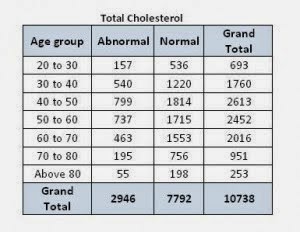
A pan – India survey, conducted by Metropolis Healthcare Ltd ahead of ‘Hypertension Day’ showed a majority of people between 30 to 40 years have alarming LDL cholesterol levels. The survey conducted by Metropolis covered major cities like Delhi, Mumbai, Bangalore and Chennai. Out of the total 10738 lipid profiles done, 25% to 30 % have high Bad Cholesterol (Total Cholesterol, LDL and Triglycerides) and are at a higher risk of acquiring cardiovascular diseases. This could be partly attributed to corporate stress, unhealthy diet and sedentary lifestyle which reflect in the higher LDL cholesterol levels. Also observed was that a fairly substantial number of youngsters examined during the survey have showed the first signs of the onset of a heart ailment — hyper cholesterol and hypertension. 
Individuals have become more aware of the fact that heart disease is not just a disease of the elderly and are now a lot more determined to go a long-way in combating this disease. Calling for regular screening of unhealthy cholesterol and lipid levels, researchers at Metropolis said surveys such as the one conducted would help identify people who are at a greater risk of Hypertension. Preventive measures are required so as to reduce obesity, increasing physical activity, decreasing the salt intake of the population and a concerted effort to promote awareness about hypertension and related risk behaviours. 


The statistics below clearly indicate that young people in the age group 30-40 have high cholesterol, LDL and triglyceride levels and as a result are at a greater risk of hypertension.
by
Dr.Akshaya Srikanth, PharmD., MPH